
This website contains affiliate links. As an Amazon Associate, I earn from qualifying purchases at no extra cost to you. The content on this website was created with the help of AI.
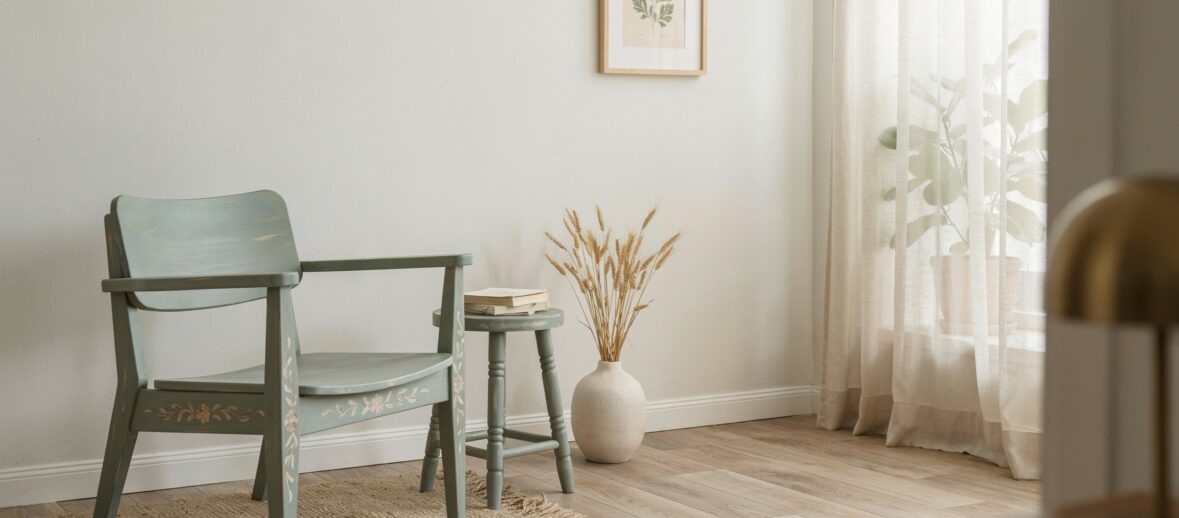
Do you have old furniture in your garage? You can make it look new again without spending a lot. Painted Chair Makeovers are a great way to update your home without breaking the bank.
Paint is cheap and easy to use. It can change the look of any chair. Just add some color and maybe new fabric, and you’ll have a stylish focal point. This way, you give old wood a new life and keep it out of the trash.
You don’t need to spend a lot to make your home look great. With a bit of creativity and patience, you can make your chairs look like they were made for you. Start your next home project today.
Key Takeaways
- Transform old furniture into stylish decor using affordable paint.
- Save money by upcycling items instead of buying new pieces.
- Reduce waste by keeping discarded furniture out of landfills.
- Achieve professional-looking results with simple DIY techniques.
- Personalize your home with custom colors and new fabric choices.
Essential Supplies for Your Chair Transformation
Starting a furniture makeover needs the right tools for top-notch results. Having everything ready before you start keeps your project smooth. Whether you’re new or experienced, the right tools are key to stunning results.
Selecting the Right Paint and Primer
The quality of your paint is crucial for a great project. For Painted Chair Makeovers, chalk-style paints are popular. They stick well to surfaces and don’t need much prep. Bluebird Chalk Furniture Paint or Rust-Oleum Chalked paints give a beautiful, matte finish.
For a modern look, paints with top-coats are a good choice. You can also mix your own chalk paint with latex paint and calcium carbonate. Make sure your primer works well with your topcoat to avoid problems.
Must-Have Tools for Sanding and Application
For diy chair painting, you need some basic tools. Good brushes, like Purdy, help you get a smooth finish. You’ll also need different sandpaper grits to prepare the surface.
- Medium-grit sandpaper (120-grit) for removing old finishes.
- Fine-grit sandpaper (220-grit) for smoothing between coats.
- High-quality synthetic bristle brushes for even application.
- Small foam rollers for flat surfaces like seat backs.
Choosing Durable Fabrics for Upholstery
When picking fabric for your chair’s seat, choose something durable. Look for upholstery-grade fabrics that can handle daily use. Heavyweight cotton, linen blends, or performance velvets are good options.
Check the “double rub” count on the fabric label to ensure it’s durable. A tight weave fabric will prevent sagging. Pick a fabric that matches your paint job for a complete look.
Preparing Your Old Chair for a Professional Finish
Your journey to beautiful upcycled furniture projects starts with a clean base. Preparing your piece well ensures a durable, quality finish. It will look like it came from a boutique.
Cleaning and Degreasing Surfaces
First, clean the chair well to remove dust, dirt, and old paint. Grime can stop new paint from sticking, so use a degreaser or soap and water mix.
“Preparation is the silent partner of every successful DIY project; never skip the cleaning phase if you want a lasting result.”
Don’t forget to clean the small spaces where dust hides. Let the wood dry completely before moving on.
Sanding Techniques for Better Adhesion
Sanding is key for a good paint job. You don’t need to strip the chair to bare wood. Just scuff the surface for the primer.
- Use medium-grit sandpaper (120-150) to remove glossy finishes.
- Switch to fine-grit (220) for a smooth, final touch.
- Always sand in the direction of the wood grain to avoid scratches.
After sanding, clean off all dust with a tack cloth. This step stops grit from ruining your paint.
Repairing Wobbly Joints and Scratches
A good paint job can’t fix a shaky chair. If it’s loose, use wood glue and clamps to fix it while it dries.
For deep scratches or gouges, use wood filler. Sand it smooth with the rest of the surface after it dries. These steps make your chair sturdy and stylish.
Step-by-Step Painted Chair Makeovers
Get ready for the fun part of your furniture makeover. DIYing chair painting lets you show off your style and save money. Follow these easy steps to turn an old chair into a beautiful piece for your home.
Applying the Primer Coat
First, you need to put on a high-quality primer. This step is essential for a smooth paint job. Without primer, your paint might peel or look bad after a few months.
Use a synthetic brush or foam roller for a thin, even primer layer. Let it dry fully before painting. A smooth base makes your final color pop.
Painting Techniques for a Smooth Finish
When painting, go for thin layers over one thick coat. These chair renovation tips help avoid drips and brush marks. Always paint with the wood grain for a natural look.
If streaks appear, sand the surface with fine-grit sandpaper after it dries. Wipe off the dust with a damp cloth before the next coat. This patience will give you a flawless, professional-grade finish that looks high-end.
Adding Decorative Details and Distressing
Want to add character? Try a distressed look. It’s perfect for farmhouse or cottage homes. You can do it easily with a simple item.
Using Wax for a Vintage Look
To get a natural distressed look, rub clear candle wax on edges and corners before painting. After painting, sand those spots to show the wood. The wax stops the paint from sticking, making it effortless and controlled.
Applying Polyurethane for Durability
Finally, protect your work with a clear topcoat. Polyurethane keeps your chair looking good for daily use. Apply a thin, even coat and let it dry fully before using your chair.
Reupholstering Seats for a Custom Look
Creative chair refurbishing often focuses on the seat. Here, color and texture greatly impact your room’s look. Replacing old fabric is a phenomenal way to revive an old chair. This simple change lets you match your chair to your decor perfectly.
“The details are not the details. They make the design.” — Charles Eames
Removing Old Fabric and Padding
Begin by unscrewing the seat base from the chair frame. Use a flat-head screwdriver or a staple remover to carefully pry out the old staples holding the fabric in place.
If the foam padding underneath is crumbling or stained, replace it. Fresh, high-density foam will offer better support and comfort for your project.
Cutting and Attaching New Fabric
Lay your new fabric face down on a clean, flat surface. Place the seat cushion on top, ensuring the pattern is centered and aligned exactly how you want it.
Cut the fabric, leaving about three inches of excess on all sides. This extra material is essential for pulling the fabric taut and creating a smooth, professional finish without wrinkles.
Securing Fabric with a Staple Gun
Begin by placing one staple in the center of each side of the seat to hold the fabric in place. Work your way toward the corners, pulling the fabric firmly as you go to ensure a tight fit.
When you reach the corners, fold the fabric neatly to create crisp pleats. This step is a hallmark of quality creative chair refurbishing that separates a DIY project from a professional piece.
Finally, trim away any excess fabric with sharp scissors. Reattach the seat to the frame, and enjoy the stunning transformation you have achieved with your own two hands.
Conclusion
Your journey to a beautiful home begins with a single brushstroke. These upcycled furniture projects show you don’t need a big budget for high-end decor. You can turn old items into stunning pieces.
This chair makeover tutorial is your starting point for design success. You now know how to pick quality materials and use professional techniques. As you work on more projects, your confidence will grow.
We hope these ideas for chair refurbishing spark a new passion for DIY design. Look at your old furniture in a new light today. Every scratch and dent is a chance to create something unique and timeless.
Share your finished projects with friends or on social media to inspire others. Your hard work and dedication make a big difference in your home. Start your next project and enjoy the journey of creating a home that shows off your style.
2 Responses
I do trust all the ideas youve presented in your post They are really convincing and will definitely work Nonetheless the posts are too short for newbies May just you please lengthen them a bit from next time Thank you for the post
Your blog has quickly become my go-to source for reliable information and thought-provoking commentary. I’m constantly recommending it to friends and colleagues. Keep up the excellent work!